Define what direct drive removes
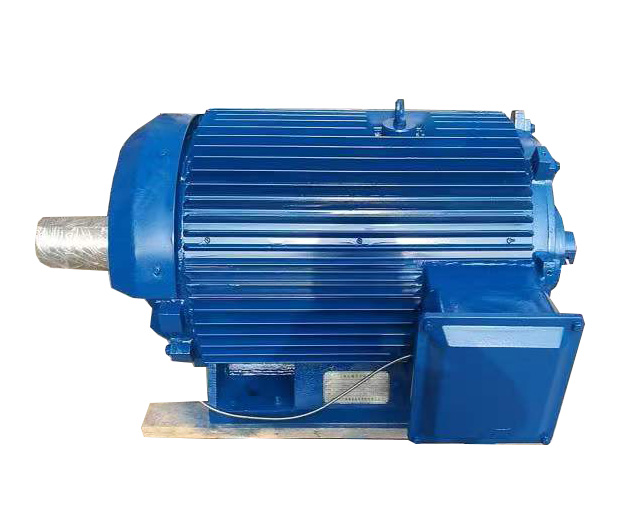
Direct drive describes a drivetrain architecture, not one universal motor construction. The motor connects to the load with fewer speed-reduction elements, and in some arrangements it can remove a gearbox, belts, sheaves, jackshaft or selected couplings. The exact boundary must be drawn for the existing and proposed systems. Only then can engineers compare losses, maintenance tasks, alignment points, spare parts and failure modes on the same basis.
ABB describes direct-drive permanent magnet motors that generate high torque at low speed without mechanical reduction, while Siemens describes high-pole permanent magnet torque motors for low-speed direct drives. These examples support the architecture concept, but they do not establish the suitability of a particular ENNENG model. Site torque, speed, structure and control requirements still govern the project.
Evaluate reliability without slogans
Fewer mechanical transmission elements can remove lubrication points, wear interfaces and alignment tasks. That can simplify maintenance, as official ABB and Siemens direct-drive materials explain for their own systems. The remaining components, however, become more critical. Motor bearings, cooling, sensors, drive electronics, cable routing and structural connections still require a maintenance and spares plan.
Create a before-and-after failure-mode review. List each component removed, retained or added, its inspection interval, likely failure signal and replacement method. Confirm whether site technicians can access the components and whether the plant has the required diagnostic tools. Reliability improvement is credible when it is tied to a specific architecture and maintenance plan, not when it is presented as an automatic result of the words direct drive.
Measure the complete energy path
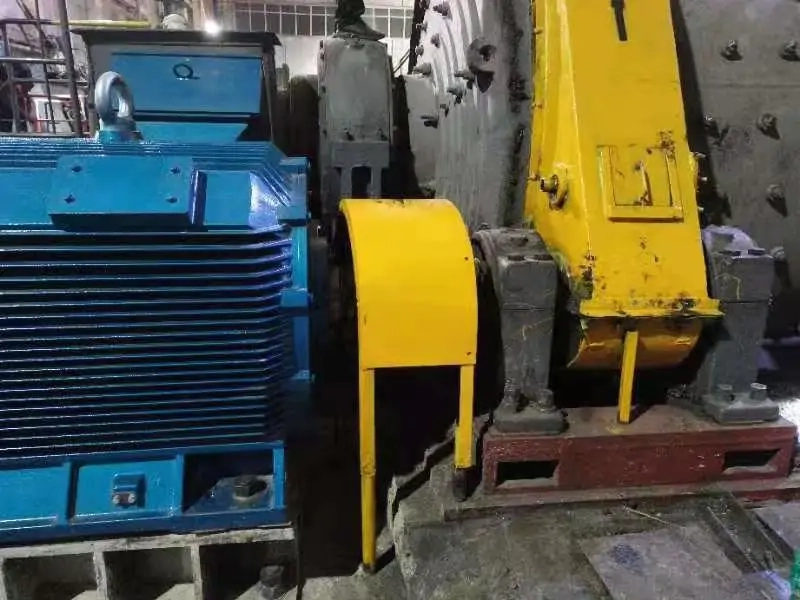
A direct-drive energy assessment should include the motor, drive, mechanical transmission and driven process. Removing gearbox or belt losses may improve the drivetrain, while a different motor operating point and drive strategy can change electrical losses. Use measured load profiles and hours at each point. Compare the same process output before and after the change.
Record the baseline method, instruments and production conditions. If a proposal uses calculated losses for the existing gearbox, label them as estimates and state the source. After commissioning, repeat measurements under comparable conditions. This separates a genuine system improvement from changes caused by process throughput, ambient conditions or operating schedule.