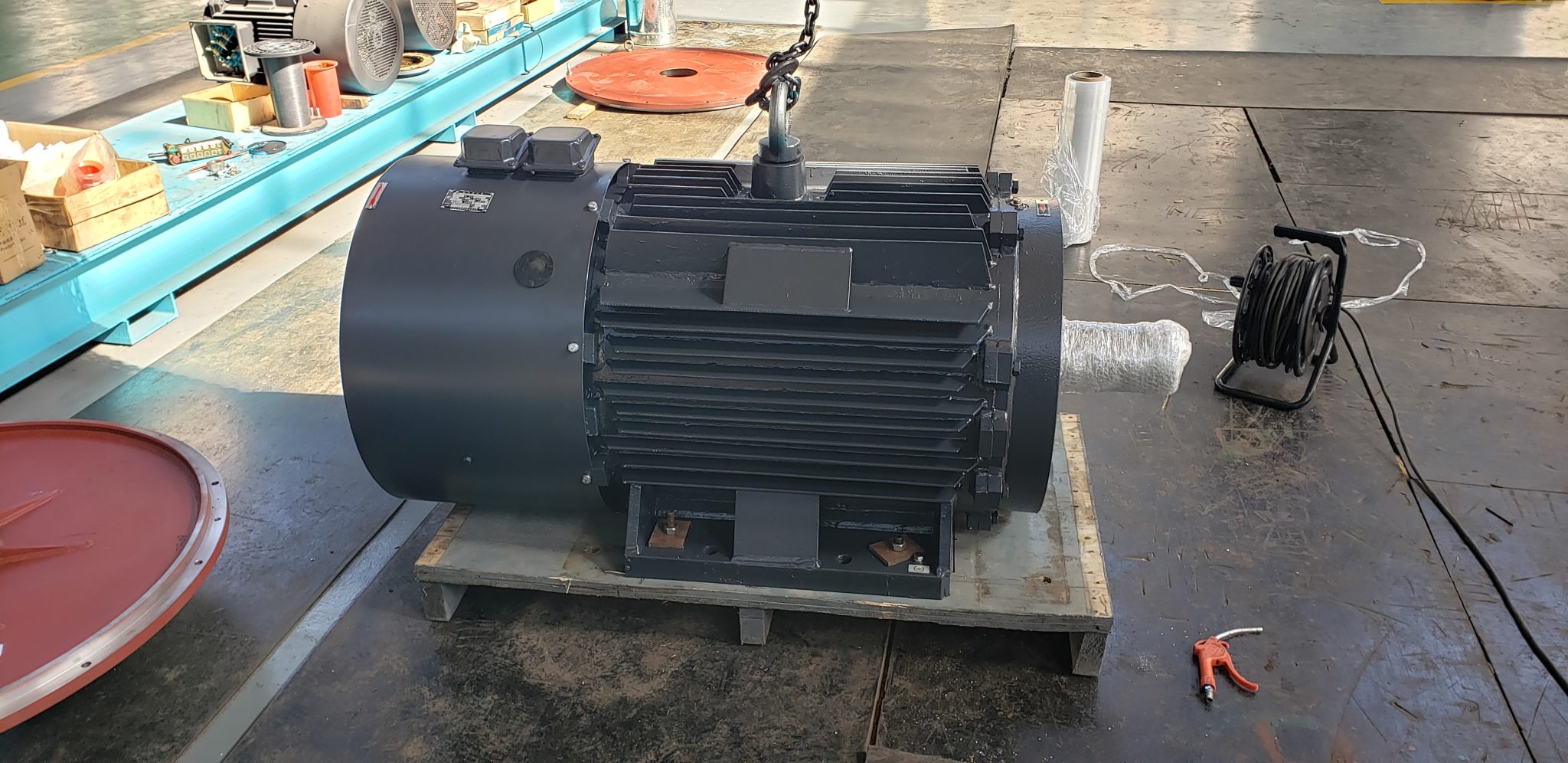
Direct drive motor price is the heading on this hypothetical retrofit review. Under it sit three sketches, and none shows the same drivetrain. Scheme A removes the gearbox but keeps a coupling. Scheme B bolts a low-speed motor to the machine. Scheme C builds the motor around the process shaft. One label has produced three installations, three risk boundaries, and three prices.
The word “cheapest” is crossed out. In its place are three questions: what remains after the outage, who performs the change, and how will the plant know the duty was met?
8:45: the old drivetrain is drawn from memory
The first sketch seems easy. From left to right it shows the high-speed motor, a coupling, the gearbox, another coupling, and the driven shaft. Maintenance adds a brake and backstop that were missing from the drawing. Operations adds a guard switch. Somebody remembers the gearbox oil system. The “simple” baseline now fills the page.
Next come the proposed paths. The pencil follows every shaft and bearing, then pauses at each coupling, brake, guard, torque arm, and support. Red means removed. Blue means retained. Green means supplied. Anything still black has no owner.
On the ABB direct-drive overview, the group finds an application example that removes items such as belts, gearbox, drive shaft, or coupling. It remains an architectural example, not an ENNENG scope promise. Their own colored sketch governs the comparison.
9:20: the old nameplate fails the first test
The existing motor plate shows power and speed. It says nothing about a loaded start, a jam, the heaviest product recipe, or the torque seen after the gearbox. Copying those two plate values would be quick. The result might run out of torque in one corner of the duty and carry unused size through the rest.
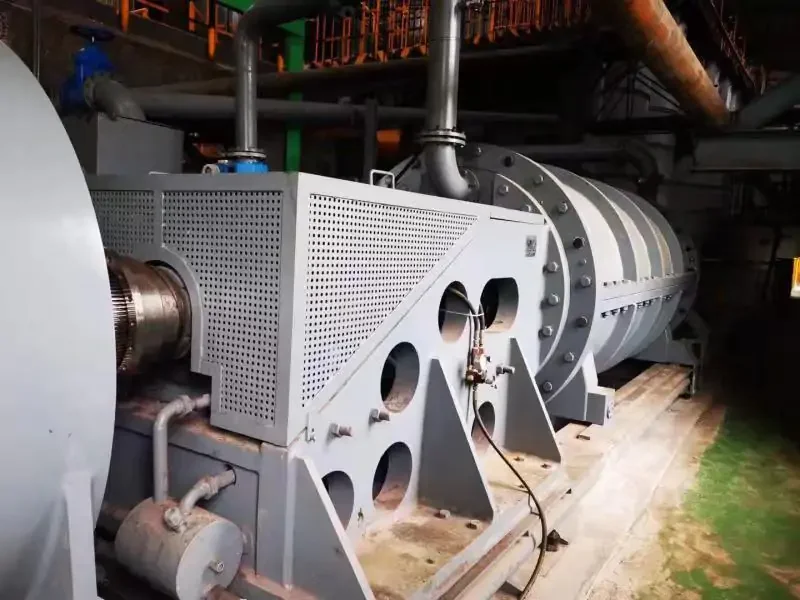
Operations opens a trend file. Speed and torque at the process shaft come first. Peaks keep their duration. Starts, acceleration, reversal, braking, and back-driving events follow, with inertia written at the side. The jam case remains uncertain, so the team assigns a measurement instead of inventing a tidy number.
The old gearbox ratio and its estimated loss stay in the baseline; neither is promoted to unquestioned fact. Using the low-speed high-torque sizing guide, the team records the operating envelope and the origin of each point. Calculated points keep their equations and margins attached.
10:05: torque changes the shape of the proposal
One manager asks why the direct-drive motor is wider than the unit being removed. The engineer draws a small fast motor on the left and adds reduction. On the right, a motor makes process torque at process speed. Now pole count and air-gap diameter move; so do the winding, active material, shaft, bearings, frame, and route for heat.
The group refuses a universal multiplier between the two motor prices. It asks each bidder for the proposed continuous and peak envelope, allowed speed range, cooling idea, bearing concept, and overall geometry. Each total receives a short design note. One note explains the larger diameter. Another explains the water connections. The last shows where its bearings sit.
10:40: the slowest speed finds the missing auxiliaries
At full process torque, the shaft may barely be turning. A shaft fan would barely turn too. Bid A therefore adds an independent blower. Bid B uses a liquid circuit. The motor totals had looked close. They separate after blower power is counted on one side and the pump loop, exchanger, hoses, flow switch, temperature signals, and water connections on the other.
The machine sits outdoors under a partial roof. Rain is possible. Dust is routine, and cleaning water sometimes reaches the base. The team writes actual temperature and altitude beside the site sketch, then adds moisture, dust, orientation, enclosure, drainage, and utilities. “Industrial environment” is deleted.
Nothing in that discussion proves one cooling method is always cheaper. It shows why the cooler belongs inside the project boundary. A lower motor-only figure cannot erase a fan panel or water loop that the duty requires.
11:15: tape measure beats the archived drawing
At the machine, the survey team finds field changes. One base hole has been slotted. Grout is cracked near a corner. A pipe crosses the proposed lift path. The old gearbox also braces part of the assembly, so removing it will change the structure as well as the ratio.
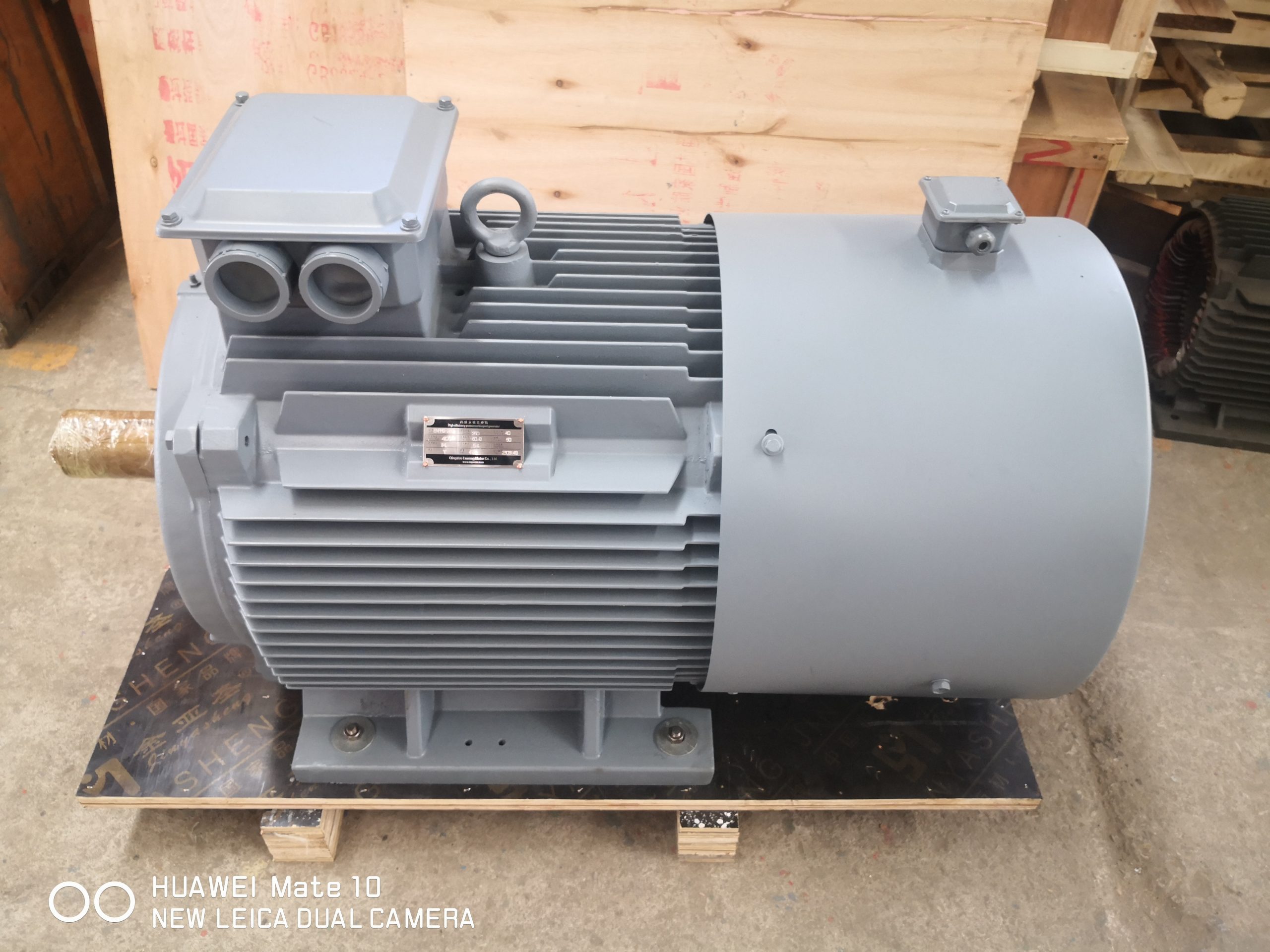
Measurements begin at the centerline and shaft. Runout, bolts, base flatness, free space, floor loading, and lifting clearance follow. Radial and axial load arrows go on the sketch. Beside them, the engineer writes which bearing locates the rotor and where thrust must go.
The cost sheet grows. Adapter and new steel come first. Coupling work, machining, grout, shims, guards, temporary support, lifting, alignment, and field help follow. These rows are the route from a crate to this particular machine. The direct-drive retrofit checklist helps close the remaining survey and outage questions.
13:10: the inverter gets its own chair
After lunch, the electrical reviewer circles “VFD included” and asks for a model number. Then the questions start. Which supply? What normal and peak current? Which control mode? How is returned energy handled? Are the filters, cooling, communication card, and feedback interface in the crate? How long may the cable be?
The process can drive the shaft during coast-down. That opens a path for regenerated energy. One proposal adds a resistor; another considers an active front end; a third changes the stop sequence. The group also records that permanent magnets can produce voltage while the rotor turns. Isolation and maintenance instructions must cover that state.
These details are not reasons to reject direct drive. They are reasons to price a motor-drive system rather than a loose motor and a hopeful inverter selection.
13:50: controls are mapped before wires are moved
The old gearbox carried temperature and lubrication alarms. Removing it removes those instruments, but the process still needs protection. A function map is opened. Speed or torque feedback, winding and bearing temperatures, cooling proof, vibration where justified, local controls, PLC signals, interlocks, and emergency-stop behavior each get a destination.
Then comes a responsibility exercise. Who enters the motor data? Who checks feedback direction? Who tunes the loop, sets current and speed limits, proves the interlocks, and runs the process points? Travel, site days, instruments, operator training, parameter backups, and the final report are written under named parties.
An offer may exclude commissioning and still be usable. In that case, the integrator's cost appears beside it. “By others” is a boundary, not a zero.
14:30: two meanings of acceptance are separated
The first test plan promises an unloaded run. The other holds chosen speed and torque points, waits for temperature, records vibration, and seats a witness beside the test stand. One may belong early and one later. They answer different questions.
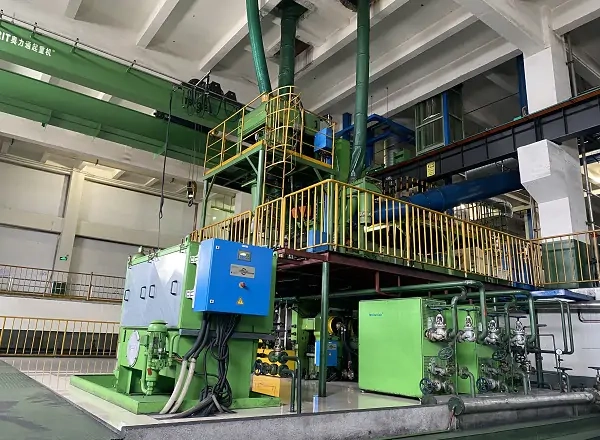
Every check gets six prompts in the margin: condition, location, instrument, waiting time, tolerance, and signature. Full process torque is unavailable at the factory. The plan therefore joins component evidence at the works to loaded proof at site.
The document test is equally plain: could an installer and commissioning engineer finish the job from the issued package? They need the approved data sheet and torque-speed curves, then outline, interface, and wiring drawings. Cooler details, sensor schedule, drive parameters, reports, manuals, packing data, and spares fill the remaining gaps.
In the U.S. Department of Energy motor and drive system sourcebook, the motor sits inside a wider system with the drive, transmission, and load. The review keeps that boundary from quotation through site acceptance.
15:20: three price columns replace one
The buyer opens three columns. The first ends when equipment reaches the site. The next walks through design, modification, outage, lifting, installation, alignment, startup, and training. The last follows years of energy, auxiliary cooling, planned care, spares, and replacement.
Gearbox oil, belt work, and old alignment are crossed out only where the chosen sketch truly removes them. Inverter care, cooling work, sensors, and the bearings that remain go back in. Production supplies the hours. A bill supplies the electricity price. Labor and downtime stay as ranges until better evidence arrives.
The result is not one guaranteed payback date. It is a base case and boundary cases that show which assumption controls the choice. A low purchase price can still win. Now it has to win on the same project boundary.
16:00: exceptions and dates settle the decision
One supplier departs from the requested cooling method. Another needs a larger base. A third excludes the site test. Engineering rules on technical acceptability; purchasing values the gap; the supplier confirms the final wording. An exception does not quietly become an accepted requirement.
Delivery gets the same scrutiny. The buyer points at “twelve weeks” and asks when week one begins: order, deposit, drawing approval, or technical release? Manufacturing gets one date line, document approval another, and freight a third. Currency and tax, Incoterm and payment, packing and warranty, spares and support remain beside the total.
What goes into the final RFQ?
The request begins with the process story and measured torque-speed-time duty. Behind it sit the old drivetrain notes, inertia, survey, drawings, supply, controls, site conditions, cooler, protection plan, tests, document list, installation boundary, delivery point, and buying terms. An unknown keeps its owner and due date. Bidders use the same order for assumptions, exclusions, departures, and options.
The company evidence is deliberately narrow. ENNENG-CAND-006 and ENNENG-CAND-008 record archived TYDP direct-drive and gearless family context plus published application directions. ENNENG-CAND-010 records a customization statement. They do not create a universal direct drive motor price, guaranteed retrofit saving, standard fit, or compatibility finding. Review the direct-drive product context, then send measured duty and drawings for a project response.
Evidence boundary
This review is an illustrative scenario, not a customer case report. ABB and DOE support the architecture and system methods described above; ABB's cited product claims are not transferred to ENNENG. The exact motor-drive proposal, drawings, test plan, site scope, and commercial quotation determine price and suitability for a real machine.